Ask how long it takes Earth to spin once on its axis and the honest answer depends on what you’re measuring the spin against. Measured against the sun, a full rotation takes 24 hours, the day everyone lives by. Measured against the distant stars, that
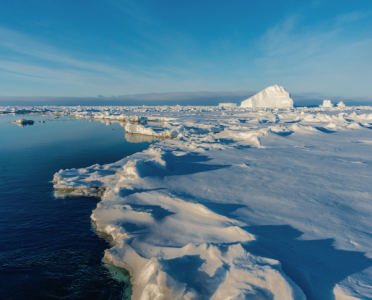
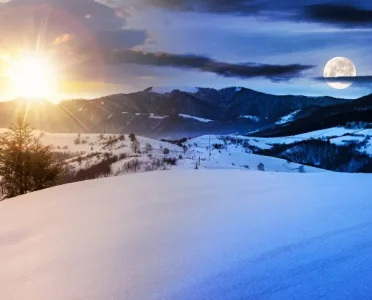
In Utqiagvik, Alaska, the sun set on November 18 and will not appear again until January 22. That’s 65 days straight with no sunrise at all. Five months later, the same town gets the opposite deal: about 84 days where the sun never dips below
The winter solstice has a reputation it doesn’t deserve. It’s widely treated as the day with the latest sunrise and the earliest sunset, the single darkest-feeling point on the calendar. Neither of those things is actually true, and the gap between the assumption and the
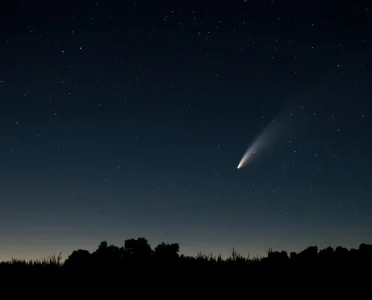
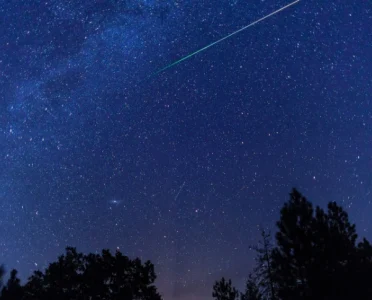
Every culture that ever looked up at night built a tradition around the streak of light crossing the sky in under a second, wishing on it, naming it, treating it as a small cosmic event worth a moment’s attention. Almost none of that tradition is
Every year, someone calls a local police department or an air traffic control tower to report a slow-moving, unblinking light hovering low in the west after sunset. In an enormous share of these cases, the object turns out to be Venus. It is not a
Every August, without fail, the night sky puts on the most reliable fireworks show in astronomy, and almost nobody has to plan around a rocket launch schedule or ticket sales to see it. The Perseids show up on the same few nights every single year,
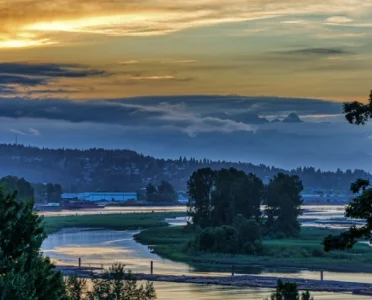
Your weather app tells you sunset is at 7:42 PM tonight, down to the minute, with a confidence that suggests real precision. The number isn’t wrong, exactly, but it’s not quite what it looks like either. It’s a prediction built on a standard atmosphere that
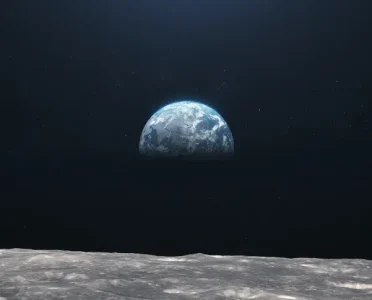
The Moon has shown humanity the exact same face for as long as anyone has been alive to look up at it, and that isn’t because the Moon has stopped spinning. It spins at exactly the right speed to make it look like it never
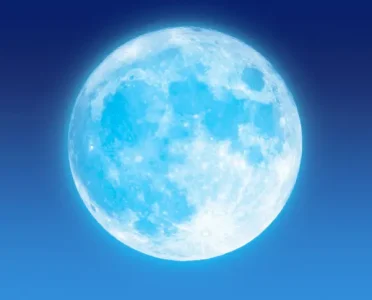
A blue moon almost never actually looks blue, and the definition most people confidently repeat, the second full moon in a calendar month, is itself the result of a 1946 magazine writer’s educated guess that turned out to be wrong. It took the very same
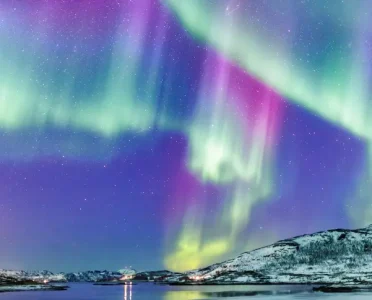
2026 is shaping up to be one of the best years in more than a decade to actually see the aurora, and most people chasing it can already recite the basic ingredients without necessarily knowing why they only combine the way they do at the
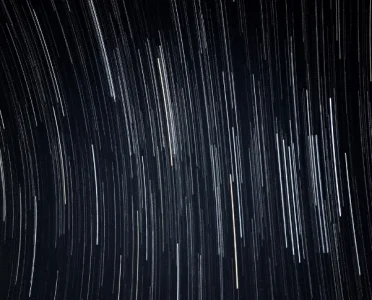
Every other star in the night sky traces a visible arc as the hours pass, rising, wheeling overhead, and setting somewhere else entirely. Polaris does none of that, and the reason has nothing to do with the star itself. Polaris just happens to sit almost
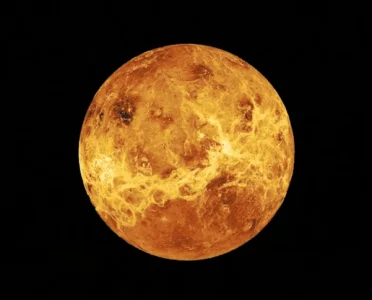
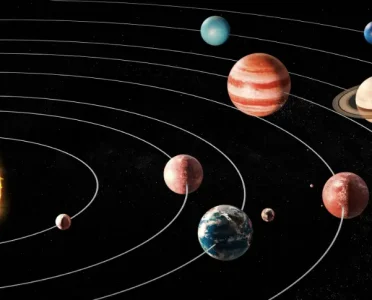
Venus takes 243 Earth days to spin once on its axis, and only 225 Earth days to complete a full orbit around the Sun. Its day is longer than its year, a fact that sounds like it should be impossible and isn’t. The stranger part
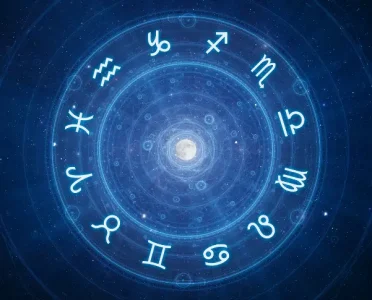
If a newspaper horoscope calls you an Aries, the sun was not actually sitting in front of the constellation Aries on the day you were born. It hasn’t been for roughly two thousand years. This isn’t a conspiracy, a recent discovery, or a sign that
Four times a year, the sun does something specific and predictable enough that civilizations without clocks or written calendars built stone monuments to track it. Two of those moments are solstices, two are equinoxes, and together they’re the only truly fixed points in a year
High tide does not return at the same clock time every day. It may arrive in the morning one day, closer to midday the next, and later again after that. To someone looking only at a normal 24-hour clock, the pattern can feel strange. The