The first hour after the U.S. stock market opens is one of the most active and chaotic periods of the entire trading day.
Within minutes, the market reacts to an enormous amount of new information:
- news released before the opening bell;
- overnight moves in global markets;
- economic reports;
- large institutional orders;
- trader reactions to the previous session.
Because of this, the first 30 to 60 minutes after NYSE and NASDAQ open often produce the highest volatility, the largest trading volume, and some of the sharpest price movements of the day.
For disciplined traders, that volatility creates opportunity. For emotional traders, it often becomes expensive very quickly.
When the U.S. Stock Market Opens
The main U.S. stock market session begins at 9:30 AM Eastern Time.
This is when:
- NYSE officially opens;
- NASDAQ begins regular trading;
- most U.S. stocks and ETFs start their primary session.
You can read more about official trading hours in US Stock Market Hours Explained.
Before the opening bell, trading already continues through the pre-market session, although liquidity is usually lower and price movements can become less stable.
Why the First Hour Is So Volatile
When the stock market closes, the financial world does not stop moving.
Companies continue releasing earnings reports, economic data keeps coming out, global indexes move overnight, and prices for oil, gold, bonds, and currencies continue changing.
Once the market opens again, traders and institutions attempt to reprice all of that information almost instantly.
At the same time, the market sees:
- institutional orders entering the system;
- algorithmic trading activity;
- retail trader participation;
- automatic stop orders triggering;
- portfolio rebalancing by major funds.
That is why price movements during the first minutes can become much stronger than during the middle of the trading session.
The first hour of the market often reflects emotion and reaction speed more than stable price discovery. worldtimedata
| Trading Period | Typical Market Behavior |
|---|---|
| First Hour After Open | Highest volatility and largest trading volume |
| Midday Session | Lower activity and slower price movement |
| Final Trading Hour | Volatility and trading activity rise again |
What the Opening Bell Actually Means
The opening of the U.S. stock market is often called the Opening Bell because of the traditional bell ceremony at the New York Stock Exchange.
Even though modern trading is almost entirely electronic, the bell still represents the official start of the trading session.
Once the bell rings, trading volume typically increases sharply as buyers and sellers aggressively compete for liquidity and price control.
Why Spreads and Volume Change So Quickly
During the first minutes after the market opens, liquidity rises dramatically as millions of orders hit the market simultaneously.
But higher liquidity does not necessarily mean calmer trading.
Volatility often rises at the same time, especially when:
-
- important economic reports are released;
- companies publish earnings results;
- Federal Reserve expectations change;
- major overnight news affects sentiment.
At that point, algorithms and large institutional orders can move prices between levels within seconds.
That is one reason many professional traders avoid aggressive entries immediately after the opening bell.
Why Major Market Moves Often Begin at the Open
Many of the largest intraday moves begin during the first trading hour.
The reason is simple: the market is searching for a new balance between buyers and sellers.
If new information turns out to be more important than traders expected, prices can rapidly move toward completely different valuation levels.
This becomes especially visible after:
- earnings reports;
- inflation data releases;
- Federal Reserve decisions;
- geopolitical events;
- large futures market moves before the open.
For example, major inflation reports released at 8:30 AM ET often trigger aggressive moves immediately after the opening bell as traders rapidly reprice expectations for Federal Reserve policy.
That is why the highest volatility in U.S. stocks often appears near the market open and close.
What Professional Traders Watch During the First Hour
Professional traders often behave very differently from beginners during the opening session.
Instead of trying to predict the very first move, many institutional traders focus on:
- where volume is building;
- whether momentum holds;
- how the S&P 500 behaves;
- whether price action confirms the move.
The first minutes of the trading day often contain significant noise and emotional reactions.
Because of this, some professional traders avoid opening positions during the first 15 to 30 minutes entirely.
Why Midday Trading Usually Becomes Slower
After the opening volatility settles down, the market usually transitions into a more stable rhythm.
The initial reaction to overnight news has already happened, large orders have partially executed, and trading volume often begins to decline.
That is why the middle of the trading day usually has:
- lower volatility;
- fewer sharp reversals;
- slower trading activity;
- narrower intraday ranges.
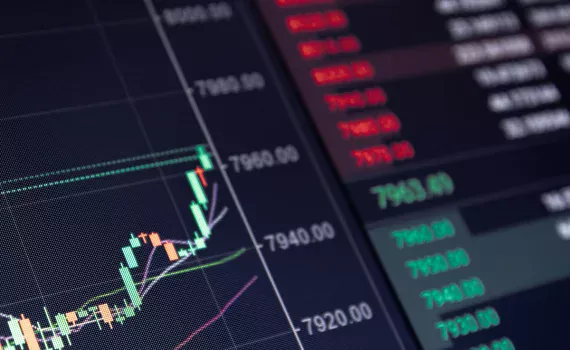
This pattern becomes very visible on intraday market charts.
Why Professional Traders Obsess Over Timing
Financial markets do not move only around price. They also move around time.
Liquidity, volatility, algorithmic activity, and trader behavior constantly shift throughout the trading session.
That is why experienced traders pay attention not only to what they trade, but also to when they trade it.
The opening hour has become one of the most important periods in modern finance, where billions of dollars in trading volume can move through the market within minutes.
When the Market Becomes Most Dangerous for Beginners
For new traders, the opening hour often looks like the easiest moment to make fast money. In reality, it can become one of the riskiest periods of the day.
Fast price swings, sharp reversals, and emotional reactions push many traders into opening positions without a clear plan.
The problem is that the morning market often reacts emotionally before it reacts rationally. Prices can surge aggressively in one direction and then reverse just as quickly minutes later.
That is why many professional strategies focus less on catching the very first move and more on waiting for a more stable structure to appear after the open.
Why the Opening Hour Shapes the Entire Trading Day
The first hour after the U.S. stock market opens is where expectations collide with reality.
Overnight news, earnings reports, economic data, institutional orders, and trader sentiment all hit the market at nearly the same time, creating one of the fastest and most unpredictable periods of the trading day.
Some of the largest price swings, reversals, and breakout attempts happen during this window because the market is still absorbing hours of accumulated information before the opening bell.
For experienced traders, the opening hour reveals where liquidity is flowing, where momentum is building, and whether the market genuinely supports the initial move.
For inexperienced traders, it is often where emotional decisions become the most expensive.
Long before the market reaches midday, the opening hour has usually already revealed where money is flowing, where fear or optimism is building, and which side is gaining control of the session.